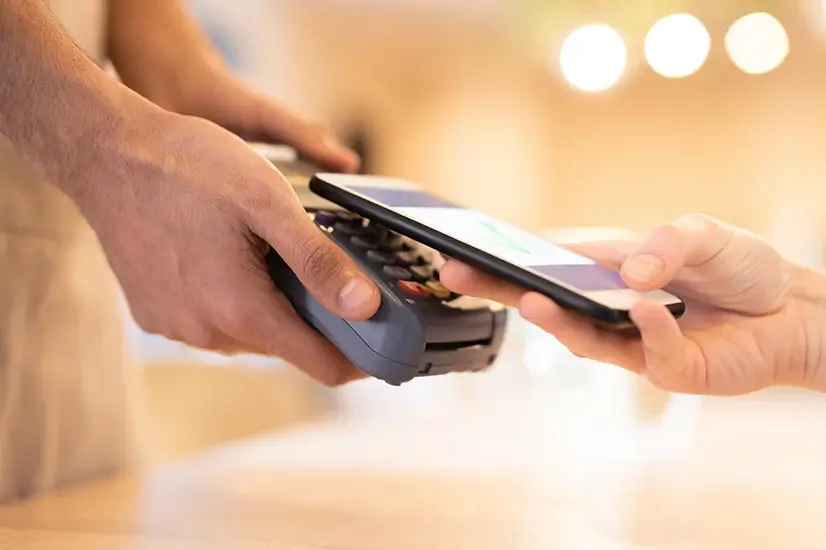
Small shops have always had to keep up with customers’ new habits, and lately things have shifted fast. People expect quick checkouts, simple payment choices, and as little waiting around as possible. Because of this, many retailers have begun exploring mobile POS systems. They’re not fancy or overbuilt. They just fit how small shops actually work.
In the past, every store had a bulky register sitting on a counter. It worked, but it kept everything tied to one spot. A mobile POS setup feels almost casual by comparison. A phone or tablet, a small reader, the POS app, and that’s basically it. Staff can walk around with it, which changes the way customers interact. Someone looking at an item doesn’t have to line up at the end of the visit. The checkout can happen right where the conversation is happening.
It also helps that these systems don’t require big installations. Most updates happen automatically. If something breaks, swapping out a device is much simpler than repairing older hardware.
Many mobile POS platforms use cloud storage. For a small retailer, this takes a lot of pressure off day-to-day operations. Numbers stay synced. Sales, stock counts, simple customer info, all of it updates without anyone remembering to run a report at the end of the night.
Owners who split their time between jobs or locations can check in from wherever they are. This matters a lot for small teams. When everyone sees the same data, mistakes with stock or double ordering happen less often.
Read More: Free Virtual Terminal Credit Card Processing: How Businesses Can Accept Card Payments Online
The busiest days in retail can feel like a scramble. A traditional counter can only move so fast. Mobile checkout solutions help by spreading the checkout process across the whole store. Staff can help someone pay while another customer is still browsing.
Some shops only switch to mobile checkout during peak hours. Others stick with it because it keeps the store from feeling cramped. When space is limited, just removing a long line can change the atmosphere entirely.
One thing small shop owners bring up often is how mobile POS changes the tone of customer service. When checkout isn’t tied to a single station, staff can chat, answer questions, look up stock, and finish the sale without interrupting the flow. It feels less formal.
Customer profiles and loyalty features can help, too, as long as they’re used respectfully. Knowing what someone bought before makes it easier to offer useful suggestions rather than guessing.
Inventory can easily become a headache. Mobile POS systems update stock levels right as sales happen. This alone can save a lot of time. A quick scan with the device during a count helps fill gaps in records. Small retailers who don’t have a back room full of extra stock often rely on this kind of visibility to avoid running out of key items.
Seeing which products sell quickly helps with ordering, too. Shops with only a few shelves need to make every product choice count.
People use so many payment methods now that old terminals can start to feel outdated. Mobile POS tools usually support various cards and digital wallets without needing separate devices. This makes the checkout feel smoother for customers and cuts down on clutter.
Because the system is connected through the app, new payment options appear through updates. There’s no need to replace hardware each time something new becomes standard.
Also Read: The Benefits of Using a Flexible Payment Processor for Your Business
One reason small shops choose mobile POS systems is the price. Instead of buying large equipment up front, many systems use subscription plans. If the business grows, the plan can be adjusted. If things slow down, it can be scaled back.
Maintenance stays simple too. If a tablet stops working, it’s far easier to replace than a specialised POS terminal. Many employees already know how to use similar devices, so training doesn’t take much time.
Mobile POS systems give shops the freedom to try new ideas. Pop-ups, weekend markets, and seasonal stalls become easier to handle because the entire checkout system fits in a bag. Everything still syncs to the main account, so the bookkeeping doesn’t become a confusing mix of notes and receipts.
Even inside the main store, different layouts or small events are easier to manage because checkout can move with the staff instead of dictating the flow.
Since every business works differently, choosing a POS system depends on what matters most. Some retailers need stronger inventory tools. Others care more about supporting multiple devices or linking the POS to an online store. It helps to test a few options. Short trials are common, and they give a pretty good feel for how each system fits into daily work.
The direction of retail payment technology points toward mobility and convenience. From quick transactions to better data insights, the tools are becoming more practical for smaller shops. They won’t solve every challenge, but they help remove friction from everyday tasks.
For many small retailers, mobile POS systems offer a simple way to keep up with shifting expectations while keeping the personal touch that customers value
 Contact us today
Let’s build something powerful together.
Get Started Today 214-585-8712 214-585-8712
 info@ndmrpayments.com
